Jyväskylä
Future of Work
Byte-powered Future
Background
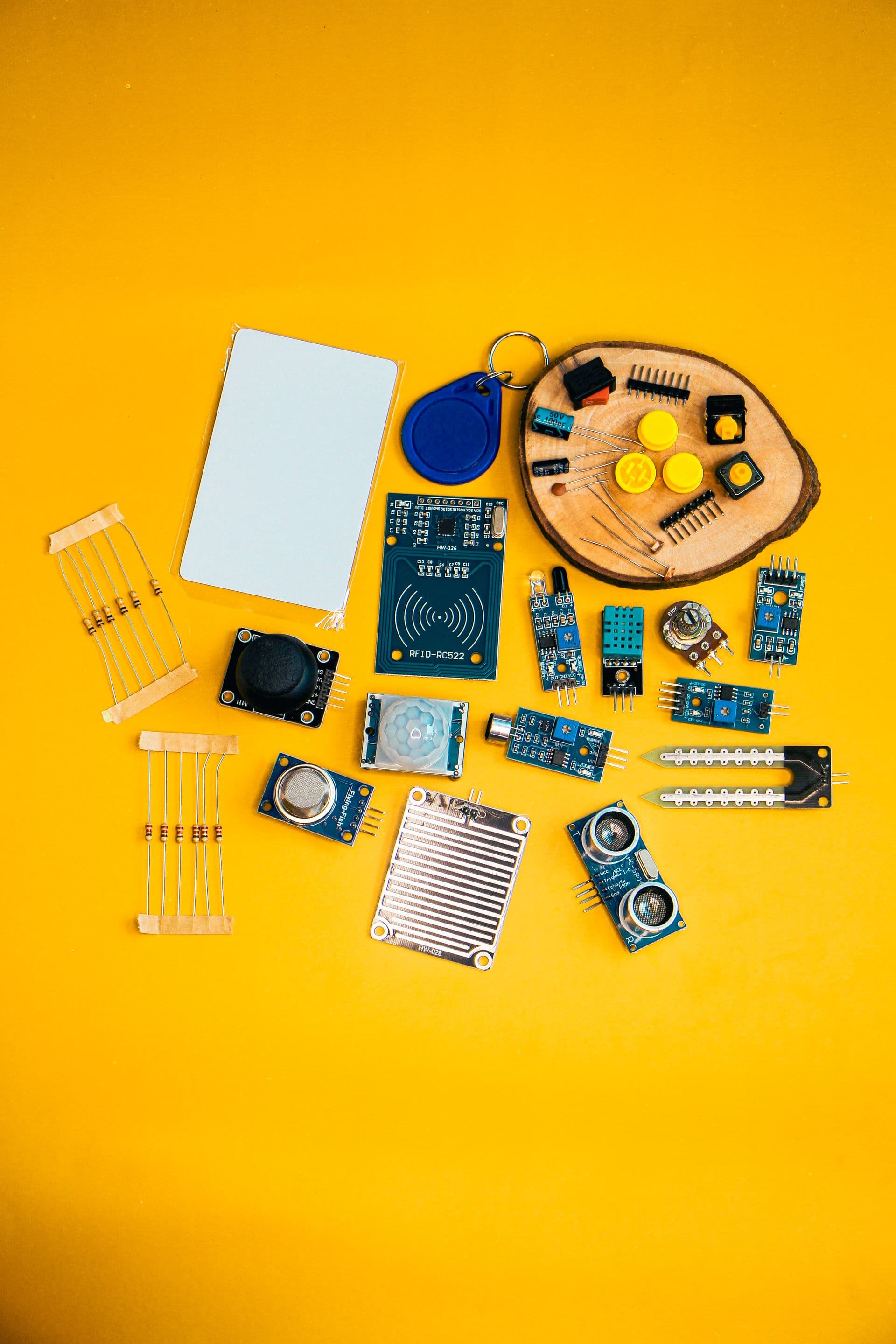
Generative AI use in software development is already mainstream: AI-assisted code generation, testing, and documentation are established practices, largely because vast amounts of training data (code repositories, documentation, forum discussions) are available. In hardware development — circuit design, component selection, PCB layout, mechanical design, HW testing — the situation is different: publicly available, structured training data is a fraction of what exists for software, and the toolchain (EDA software, datasheets, simulators) is more fragmented and less "open" to AI. As a result, AI's role in embedded system (hardware + software) development has so far remained far more modest than in pure software development, even though there is significant potential to accelerate the entire development process.
Challenge
How can AI be leveraged as broadly and practically as possible in an embedded system development project — from concept to working prototype? The project will investigate and test AI use across the following stages, among others:
- Design and architecture: system-level design, block diagrams, interface definitions with AI assistance.
- Component selection: datasheet interpretation, comparison of alternative components, availability/cost optimization, lifecycle risk identification.
- Circuit design and PCB layout: AI-assisted schematic capture, layout recommendations, noise/interference checks.
- Embedded software: drivers, protocols, firmware generation and review.
- Testing and validation: can AI replace or supplement physical testing (simulation, automated test-case generation, result interpretation) — and where are the limits.
These findings will be compiled into a practical "HW Developer's Handbook" that provides concrete guidance and tool recommendations on how to (and how not to) leverage AI at each stage of a hardware project.
Goal
1. Map out and test AI tools and methods at different stages of embedded system development.
2. Identify where AI genuinely delivers speed or quality gains, and where its use is still unreliable or risky.
3. Produce a repeatable handbook on leveraging AI in hardware development, shareable with other teams and projects.
4. Test the handbook with a demo - create a simple hardware project where you apply the handbook guidelines.
Scope The project is not aimed at a commercializable product, but at validating the process and method (the handbook) through one or two concrete demo devices. Device functionality is kept simple enough that most of the time goes into documenting and evaluating how AI was used, not into polishing the device itself.
Expected Outcomes
- A working demo device (home automation node), built using the handbook's methods.
- An "HW Developer's AI Handbook": a step-by-step guide, tool recommendations, examples, and benefit/risk findings
- A summary of where AI can replace or supplement traditional testing, and where it cannot.

VP
+358 40 661 9940
janne@demola.net

COO
+358 50 529 1845
joonas@demola.net
Apply by
11 Oct 2026
Location
Jyväskylä
Teamwork
In person
Language
English
Project starts
21 Oct 2026
Kick-off
21 Oct 2026 - 22 Oct 2026
Mid-event
11 Nov 2026 - 12 Nov 2026
Final session
16 Dec 2026
Project ends
16 Dec 2026
#ai
#automation
#embedded
#hardware
#testing
