Jyväskylä, Helsinki
Byte-powered Future
Value Creators of Tomorrow
Sound carries information that visual sensors miss, and it does so passively — no active signal is required, and detection range can exceed line of sight. Identifying and roughly localising an acoustic event of interest (an explosion, a vehicle, a structural failure) from a set of low-cost distributed microphones is well-established in principle; making it work in real time, on constrained hardware, in a noisy and reverberant real-world environment is where it gets harder.
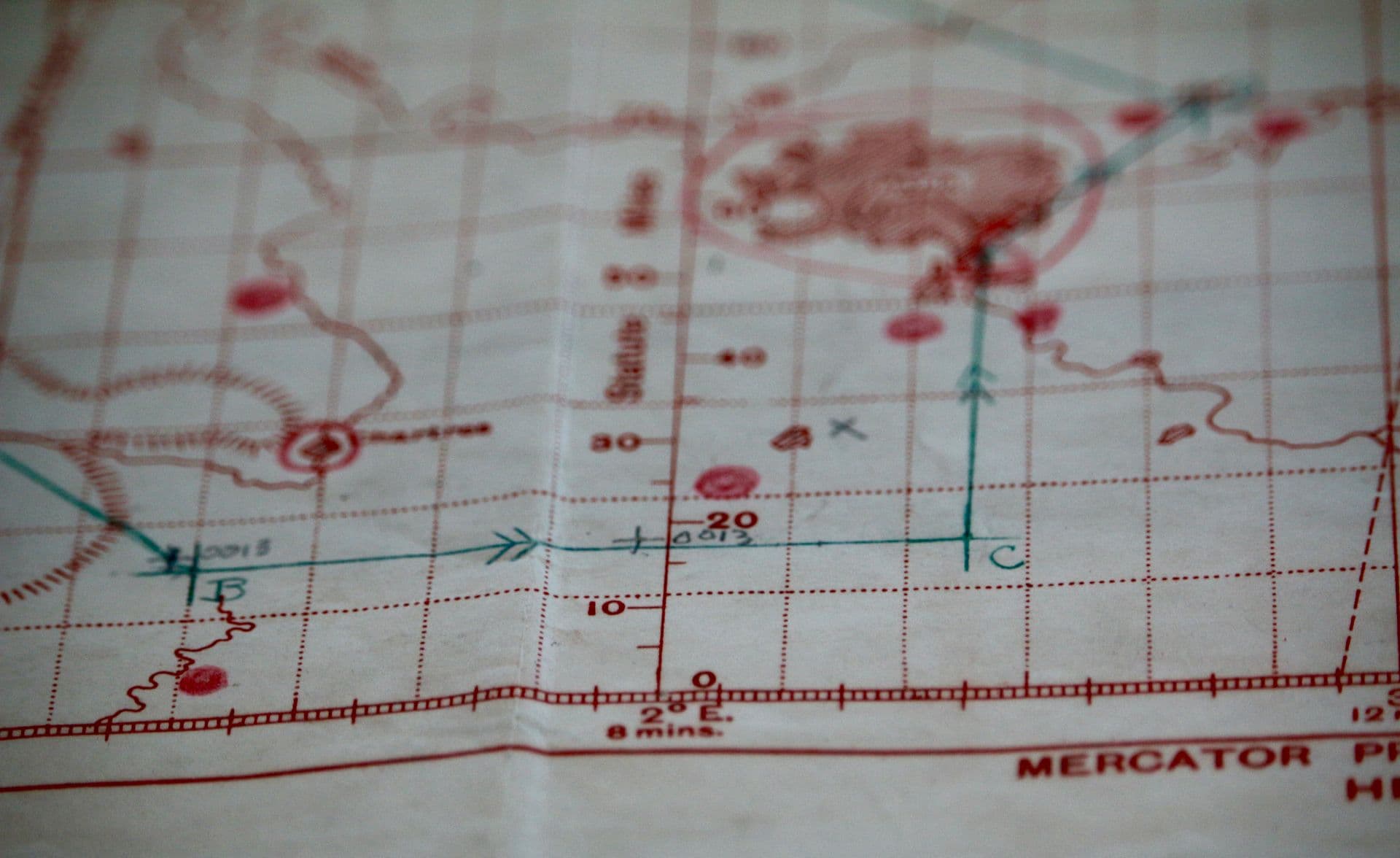
Under fire or in any acute field incident, voice reporting of where a threat came from is slow, stressful, and error-prone. A set of small microphones distributed across a team — worn or vehicle-mounted — can, in principle, work out the direction and rough distance of a loud, sudden acoustic event automatically, using differences in arrival time between microphones (time-difference-of-arrival, or TDOA, localisation).
How accurately can a small, distributed microphone network estimate the direction and approximate distance of a defined class of loud, sudden acoustic events — and how should that estimate be presented to a team leader as a clear, actionable information on a shared map?
In this project we aim to implement a detection and TDOA localisation solution and designs the map-overlay interface for the leader view.
Join the project if you're interested in signal processing, embedded systems, acoustics, or turning a noisy real-time sensor stream into a fast, actionable signal for someone under pressure.

VP
+358 40 661 9940
janne@demola.net

COO
+358 50 529 1845
joonas@demola.net
Ongoing project
Apply by
26 Sept 2026
Location
Helsinki
Teamwork
In person
Language
English
Project starts
01 Oct 2026
Kick-off
01 Oct 2026
Final session
04 Dec 2026
Project ends
04 Dec 2026
#acoustics
#defence
#embedded systems
#sensor fusion
#signal processing
